

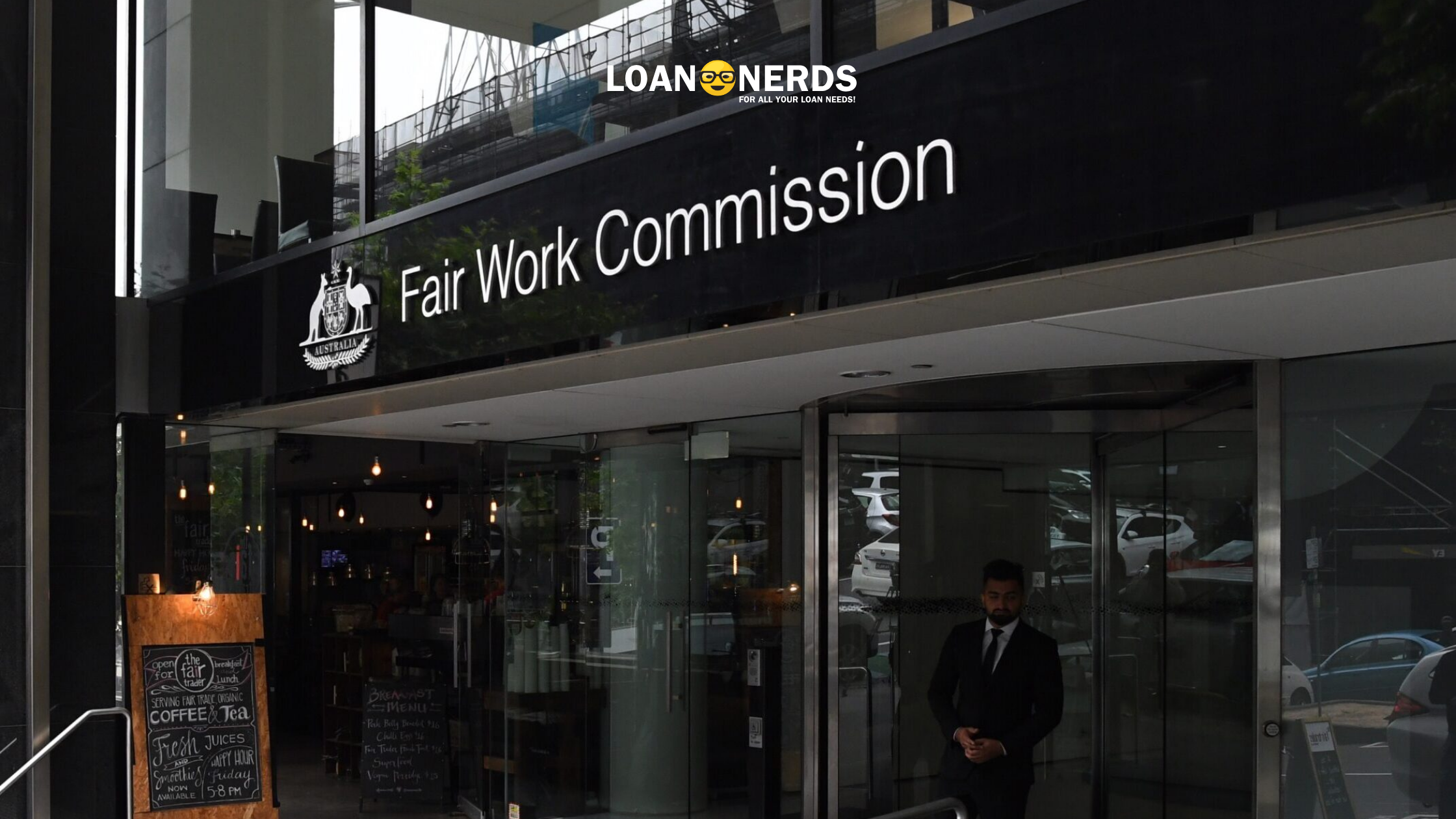
From July 1, 2025, millions of Australian workers will receive a 3.5% pay rise as part of the Fair Work Commission’s annual wage review. This increase will lift the national minimum wage to $24.95 per hour, which equates to $948 per week for full-time employees working a 38-hour week.
The decision affects around 2.9 million workers, or 25% of the national workforce, and comes at a time when cost-of-living pressures are front and centre for many Australians.
What the Wage Increase Means for Workers
The Fair Work Commission’s Expert Panel has confirmed that from 1 July 2025, the National Minimum Wage and award wages will rise by 3.5%, following the findings of the 2024–25 Annual Wage Review.
This increase means the National Minimum Wage will now be:
- $24.95 per hour (up by $0.85)
- $948.00 per week for a standard 38-hour workweek (up by $32.10)
- $49,296.00 per year (up by $1,669.20)
The decision aligns with the Albanese Government’s submission urging a real wage increase that is both economically sustainable and fair for low-paid workers.
Since the Labor Government came to power, the National Minimum Wage has increased by $4.62 per hour, or more than $175 per week, marking a 22.7% rise over three years. This uplift provides significant support for millions of Australians managing rising living costs.
While the ACTU had advocated for a 4.5% wage rise, the Commission’s 3.5% outcome remains well above the current Consumer Price Index (CPI) of 2.4%, and offers a real wage increase for many workers.
According to AMP Chief Economist Shane Oliver, the 3.5% rise is a balanced move—offering meaningful financial relief without increasing the risk of inflationary wage pressures.
This wage increase will play a key role in helping Australian workers keep pace with inflation, strengthen their financial resilience, and potentially improve their home loan borrowing power as household incomes rise.
How This Boost Impacts Your Mortgage Borrowing Capacity
If you’re earning the minimum wage and planning to buy your first home, this increase could make a noticeable difference. Lenders assess your income when calculating how much you can borrow — even a modest pay rise can add $10,000 to $40,000 to your borrowing power, depending on your overall financial position.
Example:
A single applicant earning the previous minimum wage of $915.90/week might qualify for a home loan of around $380,000 (based on a lender’s affordability assessment, credit score, and spending habits).
With the new wage of $948/week, borrowing power could rise to approximately $395,000–$420,000, assuming no other major changes in debt or expenses.
This extra capacity could be the difference between getting into the market or missing out — especially in competitive areas.
Superannuation Guarantee to Rise as Well
In addition to the wage increase, the superannuation guarantee rate will also rise from 11.5% to 12% on July 1. This is the final legislated rise under current policy, aimed at helping Australians build more secure retirement savings.
The Super Members Council predicts that the typical super balance will grow to around $500,000 over 30 years, and has encouraged Australians to check their super details and ensure their accounts are up to date.
How This Pay Rise Can Boost Your Borrowing Power
For renters, aspiring homeowners, and existing borrowers, the July 1 changes are more than just a pay boost—they can directly impact your ability to secure or refinance a mortgage. Here’s how:
1. Higher Borrowing Capacity
With increased income, lenders may offer you a higher loan amount. This can make a big difference for first home buyers looking to get into the market or those aiming to buy in more competitive suburbs.
Calculate your borrowing capacity with our FREE tool.
2. Better Home Loan Approval Chances
If you’ve previously been knocked back due to income limitations or high debt-to-income (DTI) ratios, your improved earnings may tip the scales in your favour.
3. More Room for Refinancing
Already have a home loan? A wage increase may make it easier to refinance your mortgage at a lower rate or restructure your loan to suit your current financial goals.
4. Reduce Mortgage Stress
Use the additional income to make extra repayments on your loan, which can significantly reduce the interest paid over time and even shave years off your mortgage term.
5. Align Your Pay Rise with Financial Planning
The wage and super boost present an ideal time to review your financial goals, including budgeting for a deposit, upgrading your home, or investing in property.

July 1: A Turning Point for Mortgage Strategy
The upcoming changes create an ideal opportunity for Australian workers to review both their short-term spending and long-term home ownership goals. Whether you’re planning to buy your first property, refinance an existing loan, or simply want to know your options, your pay rise could be the catalyst to act.
At Loan Nerds, we work with over 50 lenders to help you compare the best home loan products available. A small change in your income could be the step that brings home ownership within reach.
Want to Know How Much You Can Borrow?
Contact Loan Nerds today and let us help you calculate your new borrowing power and explore your options in a changing market.

